Stand-Alone vs Mound Septic Systems in Mississippi
Two system types, two different site conditions. Here is how to tell which one your property needs.
August 20, 2026 · 4 min read
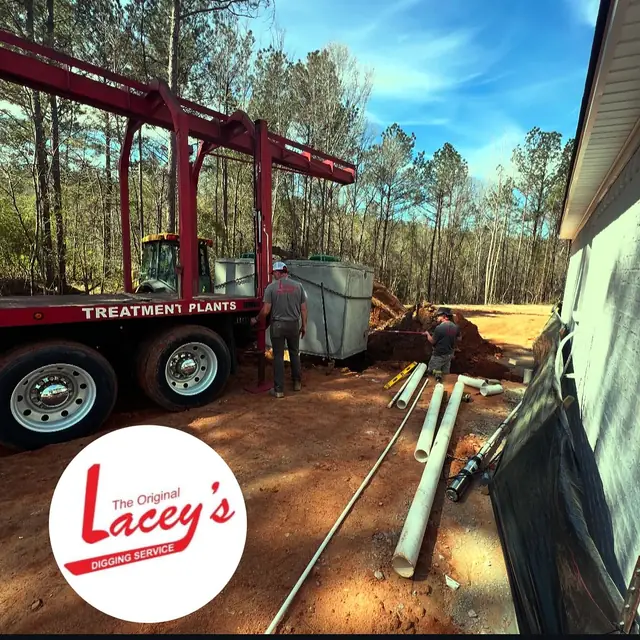
When a new septic system goes in, one of the first decisions is whether the property gets a conventional stand-alone system or a mound system. The answer is not a preference. It is determined by the soil and the site. The percolation test (perc test) and the soil profile tell the installer what the ground can handle, and the system type follows from that.
How a stand-alone system works
A stand-alone septic system is the conventional setup: a buried tank that receives wastewater from the house, separates solids from liquid, and sends the liquid effluent out to a drain field. The drain field consists of perforated pipes laid in gravel-filled trenches, and the effluent percolates through the gravel and into the surrounding soil. The soil itself handles the final stage of treatment, using naturally occurring bacteria to break down remaining organic material before it reaches groundwater.
This design works well when the soil passes a perc test, meaning it absorbs water at a reasonable rate. Sandy loam and loamy soils are ideal. The water table also needs to be deep enough that there is adequate vertical separation between the bottom of the trench and the seasonal high water table. In Mississippi, the state health department sets the minimum separation, and a soil evaluator measures the actual depth during the site evaluation.
When a mound system is needed
A mound system is used when the natural soil cannot provide enough treatment depth on its own. This happens in two common situations: the soil is too tight (heavy clay that absorbs water too slowly), or the water table is too high (not enough vertical distance between the trench and groundwater). In parts of Mississippi, especially in flood-prone lowlands or areas with heavy Yazoo clay, one or both of these conditions can be present.
The mound is a constructed layer of engineered sand fill placed on top of the existing ground. The drain field is built inside this mound rather than below grade. Effluent is pumped up into the mound (gravity delivery is not possible because the field is above the tank), where it percolates through the sand fill and then through the native soil below. The additional sand layer provides the treatment distance that the native soil alone could not.
What the differences mean in practice
The visible difference is obvious: a stand-alone system is invisible once the installation is finished, while a mound system produces a raised area in the yard that can be three to five feet above the surrounding grade, depending on how much additional depth was needed. Homeowners sometimes landscape the mound with low-rooted grasses, but trees and deep-rooted shrubs cannot be planted on it because the roots would infiltrate the distribution layer.
The mechanical difference is the pump. A stand-alone system is typically gravity-fed: the tank sits lower than the house and the drain field sits lower than the tank, and everything flows downhill. A mound system requires a pump chamber and a dosing pump to push effluent uphill into the raised field. The pump runs on electricity and has an alarm that sounds if it fails or if the chamber level rises too high. That added complexity means more maintenance: the pump needs periodic inspection, and a power outage during heavy household water use can cause the chamber to overflow if the alarm is not noticed.
Cost and installation
A mound system is more expensive to install than a conventional stand-alone system. The additional cost comes from the engineered fill material, the pump and controls, and the additional excavation and grading work required to build the mound to the correct profile. The fill sand must meet specific gradation standards because the treatment performance depends on the particle size. The installation is also more sensitive to weather: building a mound during heavy rain compacts the native soil underneath and reduces its already-limited absorption capacity.
Neither system type is better than the other in the abstract. The perc test and soil evaluation determine which one the site needs, and the right system is the one that matches the ground it sits in. Installing a stand-alone system on a site that needed a mound leads to drain field failure, and building a mound where a conventional system would have worked is unnecessary cost.
Talk to the team
Lacey's Digging Services installs both stand-alone and mound septic systems and has been doing so across Flowood and Rankin County for over 30 years. Multiple customer reviews specifically mention the quality of their installation work and the team's willingness to explain how the system works. Call (601) 939-6511 to discuss what your property needs.
More articles
How Often Should You Pump Your Septic Tank in Mississippi?
The short answer is every three to five years, but the real answer depends on your household.
Five Warning Signs Your Drain Field Is Failing
A failing drain field gives warnings before it gives up entirely. Here is what to watch for.